Gyeongju 2-Day Itinerary: The Ultimate Guide for First-Timers
Introduction
If you are traveling through South Korea, visiting Gyeongju is an absolute must. While many tourists attempt a rushed day trip from Busan, staying for 1-night and 2-days transforms your experience from a frantic sightseeing marathon into a peaceful journey through the ancient Silla Dynasty.
This comprehensive 2-day blueprint connects seamlessly from your arrival out of Busan, providing optimized transit logistics, exact bus schedules, and smart touring hacks to help you conquer both the walkable town centre and the mountain-side UNESCO shrines without the guesswork.
Day 1: Ancient Tombs, Silla Hanbok & The Magical Night View
After arriving in Gyeongju by bus or train from Busan, check into your downtown accommodation (ideally near Hwangnidan-gil or Old Town) and start exploring on foot.
| Time Slot | Activity / Destination | Key Description & Touring Tips |
| 12:00 PM – 01:30 PM | Arrival & Check-in | Arrive from Busan, check into downtown accommodation near Hwangnidan-gil. |
| 01:30 PM – 03:00 PM | Silla Hanbok Experience | Rent traditional Silla-style historical costumes complete with golden headpieces near Daereungwon. |
| 03:00 PM – 04:30 PM | Tumuli Park (Daereungwon) | Stroll among 23 giant Silla Dynasty royal burial mounds in the late afternoon. |
| 04:30 PM – 06:30 PM | Hwangnidan-gil & Miffy Store | Explore trendy Hanok cafes and visit Miffy Store Gyeongju for exclusive limited-edition goods. |
| 06:30 PM – 08:00 PM | Cheomseongdae & Gyochon Village | View East Asia’s oldest surviving astronomical observatory and traditional village. |
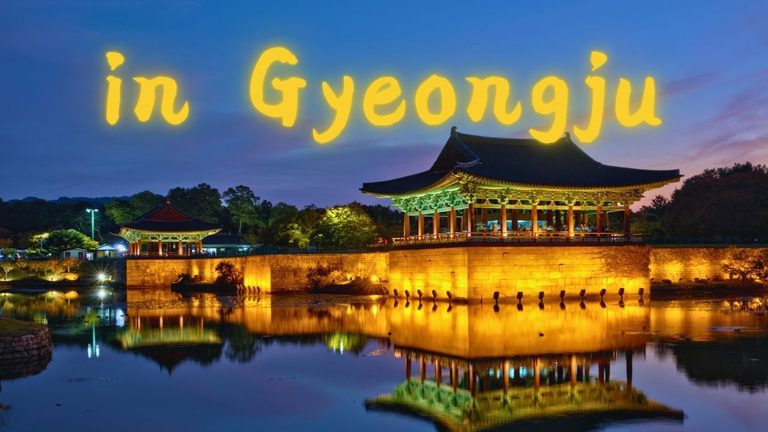
| 08:00 PM – 10:00 PM | Donggung Palace & Wolji Pond | Experience the breathtaking night illumination reflecting off the still royal pond. |
Day 1 Detailed Guide & Highlights
1. Silla Traditional Dress (Hanbok) Experience

- The Ultimate Photo Hack: Before wandering through the ancient tombs, stop by one of the traditional rental shops near Hwangnidan-gil or Daereungwon. Step into a magnificent Silla-style historical costume complete with traditional accessories and golden headpieces.
- Why Do It: Walking among the royal mounds or strolling past Cheomseongdae dressed in authentic Silla attire offers an unforgettable, highly photogenic cultural immersion that sets Gyeongju apart from standard city tours.
2. Tumuli Park (Daereungwon)
- What it is: A massive park right in the city centre containing 23 giant Silla Dynasty royal burial mounds.
- Touring Tip: Walk among these grass-covered tombs in the late afternoon. It gives you an immediate sense of Gyeongju’s ancient scale that photographs can’t quite capture.
3. Hwangnidan-gil & Miffy Store Gyeongju (Shopping & Pop-up Culture Highlight)

- What it is: The trendiest street in Gyeongju, blending traditional Korean Hanok architecture with modern cafes, local bakeries, and unique character shops.
- The Must-Visit Spot (Miffy Store): Nestled right in Hwangnidan-gil inside a charming traditional Hanok building, the Miffy Store Gyeongju is an absolute paradise for character goods lovers.
- Photo Zones: Snap a commemorative photo outside with the giant Seokguram Miffy and Cheomseongdae Miffy statues.
- Main vs. Annex Layout: The store is split into two sections. Head straight to the Main Building for highly coveted, Gyeongju-exclusive limited-edition items (such as Seokguram Miffy keyrings and Chalbori Glutinous Barley Bread Miffy pouches). Check out the Annex next door for a more relaxed browse of standard stationery and everyday accessories.
- Practical Tip: Weekend afternoons can get busy with short outdoor queues due to capacity limits; visiting in the late afternoon or grabbing snacks nearby helps manage your time smoothly.
4. Cheomseongdae Observatory & Gyochon Traditional Village

- Cheomseongdae: Built between 632 and 647 AD, this is the oldest surviving astronomical observatory in East Asia. It is remarkably simple yet historically monumental.
- Gyochon Village: A short stroll away, this traditional village features low-key hanok architecture, pottery shops, and quiet alleyways that contrast nicely with the bustling modern city.
5. Donggung Palace and Wolji Pond (The Night Highlight)
- Admission: Adults 3,000 KRW / Children (7–12 years) 1,000 KRW
- Why stay overnight? This is the ultimate reason to book a night in Gyeongju.
- What to expect: A restored Silla royal palace and pond that stay open until 10 PM. The evening illumination reflecting off the still water creates one of the most breathtaking, magical night views in all of South Korea.
Day 2: UNESCO Temples & Mountain Escapes
Day 2 takes you into the historic outskirts. Because public transit requires careful planning here, use Naver Maps for real-time tracking.
Day 2 Hourly Schedule & Itinerary
| Time Slot | Activity / Destination | Key Description & Touring Tips |
| 09:00 AM – 11:00 AM | Bulguksa Temple (Morning) | Take Bus #10 or #11. Arrive early to beat crowds, use open-air luggage storage, see Dabotap Pagoda. |
| 11:15 AM – 01:00 PM | Seokguram Grotto | Transfer to Bus #12 (runs hourly). Hike 15 minutes to view the monumental seated Buddha. |
| 01:00 PM – 03:30 PM | Lunch & Transit to Bomun Lake | Head back via Bus #12 and #11. Try local Gyeongju specialties like Hwangnam bread around Hwangnidan-gil. |
| 03:30 PM – 05:00 PM | Bomun Lake Resort Area | Stroll around Bomujeong Pavilion or unwind at lakeside cafes like Matinata. |
| 05:00 PM onward | Departure | Return to Gyeongju Intercity Bus Terminal to head back to Busan, Seoul, or Pohang. |
Day 2 Detailed Guide & Highlights
1. Bulguksa Temple (Morning Session)

- Admission: Free (Free Admission Policy since 2023)
- How to Get There: Take Bus #10 or #11 from downtown Gyeongju. (Note: Bus numbers reverse their loops depending on the time of day—always verify via Naver Maps!)
- Logistics & Hacks:
- Beat the Crowds: Arrive right around 9:00 AM. By 11:00 AM, the tour groups flood in heavily.
- Luggage Storage: Use the open-air luggage storage area near the entrance to drop your heavy bags safely before climbing the stone stairs.
- Key Sights: The UNESCO-listed Cheongungyo and Baegungyo stone staircases, plus the Dabotap pagoda (featured on the 10-won coin).
2. Seokguram Grotto (Hillside Sanctuary)
- Admission: Free (Free Admission Policy since 2023)
- How to Get There: From the Bulguksa bus stop, transfer to Bus #12.
- The Schedule Trap: Bus #12 runs strictly once every hour (typically from 8:40 AM to 4:40 PM). Check the timetable immediately upon arriving at Bulguksa so you don’t waste nearly an hour waiting.
- The Experience: A 4km ride up the hillside leads to a 15-minute scenic dirt-path walk ending at a carved granite sanctuary housing a monumental seated Buddha. (If you are tight on time, this is the one site you can choose to skip).
3. Bomun Lake Resort Area (Afternoon Relaxation)
- How to Get There: Take Bus #12 back to Bulguksa, then switch to Bus #11 heading toward central Gyeongju via Bomun Lake.
- Highlights: Stroll around Bomujeong Pavilion (stunning during cherry blossom or foliage seasons) or unwind at lakeside cafes like Matinata before heading back to the town centre.
Where to Eat & Practical Logistics
- Food: Try local Gyeongju specialties around Hwangnidan-gil, such as Hwangnam bread (red bean pastry) and local craft beers.
- Money/Transport: Keep physical Korean Won (KRW) handy for local bus rides and station ticket top-ups, as foreign card readers can occasionally glitch on regional transport kiosks.
- Next Destination: From Gyeongju Intercity Bus Terminal, you can easily catch direct transport back to Busan, or head onward to Seoul or Pohang.